• Skip to main content
  • Skip to primary sidebar

Nexa Collections

  • Home
  • Serving
    • Medical
    • Dental
    • Small Business
    • Large Business
    • Commercial Collections
    • Government
    • Utilities
    • Fitness Clubs
    • Schools
    • Senior Care Facility
  • Contact Us
    • About us
    • Cost

Search Results for: the bureaus

What happens when a Debt is assigned to a Collection Agency?

Collector
Once you approach a Collection Agency, they will

  • Have you signup a contract after explaining all their services.
  • Setup your preferences such as Mode of Payment/remittance for the amount collected ( send you a check or direct deposit in your bank account).
  • Do you want accounts to be reported to Credit Bureaus or not.
  • After unsuccessful contacts, should they transfer unpaid accounts to their next service automatically or not.
  • Finally provide you the email and phone number of Client Support if needed.

When an unpaid debt is assigned to a Collection Agency, they will run the following checks on each account assigned (regardless of the service selected):

a) Bankruptcy Scrub: To check if the debtor has been legally discharged of his debts by a court.

b) Address Scrub ( or Skip Tracking): To find out the latest address and the phone number of the debtor.

c) Statute of Limitations check: A debtor cannot be sued in court after certain number of years. This varies from 3 to 10 years depending on which state the debtor resides. Most agencies will not attempt collections on on these time barred debts.

d) Litigious debtor check: This check is done by very few agencies, wherein they check if a debtor has a history of filing lawsuits. They either do not attempt collections on these accounts, or suggest an alternative approach.

e) Debt dispute period: Debtor has about 30 days to dispute a debt after the first contact is made by the collection agency. If a debtor indeed disputes the debt, the client/creditor must provide the statement / invoice /signed contract which proves the validity of debt so that collection activity can proceed. One should not even think of assigning an account for collections if backup documentation is not available.

Next, depending they type is service enrolled, different things can happen.

1. Collection Letters Service (Fixed Fees Service)

A creditor typically purchases accounts (for roughly $15 per account) from the collection agency. There is no other collection fees charged from the client beyond this flat-fees. Debtor pays the client/creditor directly. A collection agency will send up to 5 demand letters and verbiage of these letters start from “diplomatic/amicable” to slightly intensive with every passing letter. Verbiage can also vary depending on the industry of client (small business debt, medical debt, dental debt, bank debt or insurance debt). Client must notify the Collection Agency if a payment is received so that further demand letters are stopped.

2. Collection Calls Service (Contingency Fees)

Collection agency will typically do an “advanced” skip tracing to locate the debtor more accurately. Whatever is collected, a Collection agency keeps a percentage ( typically 35%-45%) of the money recovered. No recovery means no fees. Debt collectors will try to collect 100% of the amount due in full in “one-go” or by putting debtor in an “installment plan”. They may also report the unpaid debt to Credit Bureaus if collection efforts fail. They will call the debtor multiple times in accordance to the FDCPA debt collection laws. Good debt collectors are able to handle debtor excuses very well and know how to talk around those excuses. They are expert at the art of collecting debt, after all that is what the collectors do all day long.

3. Legal Collections ( Contingency Fees)

Typically, no more than 5% of all accounts assigned ever make it to the legal collections. A collection agency will inform  the client/creditor before transferring this account for legal collections or make this a part of your contractual agreement. They may attempt to garnish debtor’s wages, attach assets or put lien on the debtor’s house while attempting to get a favorable judgment. Collection agency may even try to add the lawyer fees on top of the amount owed, but it is up to the judge to accept it or not.

Hope this gives you a fairly good idea on how a Collection Agency works.

If you are looking for a cost-effective collection agency Contact us and we will connect you to a good one based on your requirements and industry.


Filed Under: Debt Recovery

Debt Collection Tactics for Banks and Credit Unions

Debt Collection Tactics
Banks and credit unions make their money by lending, so delinquencies are inevitable even in the best economic environments. The figures vary, but as of 2023, the national delinquency rate for consumer loans is about 2.23 percent.

Need a collection agency? Serving all states: Contact us

Debt collection is necessary for banks and credit unions to recover loans and credits extended to borrowers who have defaulted or failed to adhere to the repayment terms. However, it’s important to note that debt collection should be carried out in an ethical manner, respecting the rights of borrowers and following the regulations set by relevant authorities. Here are some of the commonly used debt collection tactics by banks:

  1. Initial Contact and Notification: The bank usually sends a notice to the borrower informing them of the default and the need to clear the outstanding debt.
  2. Payment Reminders: Banks may send regular reminders via email, text, or calls. These reminders are usually polite and serve as a nudge for the borrower to fulfill their obligations.
  3. Repayment Plan Negotiation: Banks often work with the borrower to come up with a revised repayment plan that is more manageable for the borrower’s financial situation.
  4. In-House Collections: Before taking any legal action or outsourcing the collection process, many banks use their in-house collections department to attempt to collect the debt.
  5. Credit Reporting: Banks may report the defaulted loan to credit bureaus, which could affect the borrower’s credit score. This is often a big incentive for the borrower to settle the debt.
  6. Use of Collection Agencies: If internal efforts don’t succeed, the bank may hire a third-party collection agency to pursue the debt. These agencies specialize in debt collection and usually work on a commission basis.
  7. Legal Action: As a last resort, the bank may initiate legal proceedings against the borrower to recover the debt. This can lead to a judgment and potentially wage garnishment or property liens.
  8. Debt Settlement Offers: Sometimes banks might offer to settle the debt for a lesser amount than what is owed, especially if they believe that the borrower may not be able to pay the full amount.
  9. Charge-Offs: If collection efforts have not succeeded within a certain period, the bank may write the debt off as a loss. This doesn’t relieve the borrower of the obligation to pay, but it means the bank has given up on collecting the debt as an asset.
  10. Repossession: If the debt is secured, such as in the case of a car loan, the bank may repossess the collateral (such as the car) if the borrower defaults.
  11. Communicating Through Authorized Channels: Banks should respect the borrowers’ preferences and legal requirements regarding communication channels (phone, email, etc.), time of contact, and language.

It’s important for banks to follow the rules and regulations set by governing bodies, such as the Fair Debt Collection Practices Act (FDCPA) in the United States, which outlines the legal and ethical boundaries in debt collection.

Collecting a debt is a complex process that interweaves law and strategy. Debt recovery is a vital part of all financial institutions as unpaid invoices can hinder business success.  Financial institutions must create strategies to manage a regular collections caseload.

Without a communication strategy, collection is impossible.

Many reasons can cause a customer to miss a payment. Part of the challenge is getting to know your customers’ financial struggles without bogging down your collection process. Communication is the best way to maintain a positive relationship with a customer that can weather financial struggles and lead to successful collection. There is an adage in collections that if you don’t call, you won’t collect; this holds true, especially for lenders and other financial institutions.

Strive to communicate frequently and proactively with customers. Encourage them to answer your calls and letters by adopting a collaborative tone. Be a resource for your delinquent borrowers by offering solutions. It’s a challenge, as debtors can easily enter a mindset of burying their heads in the sand. Show them a light at the end of the tunnel, and they may be more likely to work with you. Even if your communication efforts fall flat, at least you have maintained contact and can leverage the information you obtain from your calls to power more advanced collection efforts.

Use a pooled approach for maximum efficiency.

While it is crucial to maintain a positive relationship with your debtors, this nurtured relationship cannot be at the expense of efficient collections. Pooling collection resources is ideal because it reinforces consistency and leverages tools like a dialing system. The traditional method of financial institution collections involves assigning a dedicated agent. This traditional process has many benefits in nurturing a close relationship, but the efficiencies of a pooled approach offset these benefits. A pooled approach also forces a financial institution to operationalize a collection strategy — to make it uniform and regular.

Beyond uniformity and the ability to use a dialer, a pooled approach also has the advantage of data analytics. With all your collections resources aimed at a common goal and working on a common group of collection accounts.

Use collection tools and know the law

Creditors have numerous tools at their disposal for collections depending on the stage of the collection process. The overall goals are to obtain an agreement to pay the amounts due, or a portion, and fulfillment of the agreement. Collection tools that help reach these goals include the communication strategies we discussed but can also involve something unique to financial institutions — the right of offset.

Offset is when a financial institution can tap into deposits of a borrower to satisfy a debt. This practice has federal and state limitations, and financial institutions should become fluent in the applicable rules and regulations. For example, the Federal Reserve Board’s Regulation Z prohibits banks from using the right of offset for credit card debts. California state law stops a financial institution from depleting a debtor’s bank account to below $1,000. Other state laws protect certain deposited funds, such as disability, social security, or unemployment income.

Another tool is the use of credit reporting. Accurate credit reporting incentivizes payment and can be a tool to work with a delinquent borrower. For example, a financial institution should clearly communicate the ramifications of nonpayment and of entering a repayment agreement.

Engage the help of a collection agency for maximum results.

Banks, credit unions, and other financial institutions are in the business of investing and lending money. While collections is a component of banking operations, they can also distract and bog down operations. By hiring a collection agency, banks can more efficiently operationalize collections, reaping the benefits of the tips we discussed and more. Professional collectors can execute an organized and well-managed communication strategy, pool resources for efficiency and effectiveness, and know tools and legal strategies to maximize recovery.

Credit card debt is the largest category of collections for banks, but the other two major ones would be auto and home loans. Home loan collections are often handled by servicing companies – but also for all types of bank collections, there are at least 2 stages – collecting on a past due balance, then collecting on judgments and enforcing lines for secured debt. The four largest banks in the USA have 4 billion in credit card charge-offs – a huge number.

Contact us today for more information on how a professional collection agency can help your financial institution lower delinquency rates and increase collection revenue.

Filed Under: Debt Recovery

Suing for Unpaid Bills: The Legal Process, Costs & When to Walk Away

legal collections

The “Nuclear Option”: Why You Should Hesitate Before You Sue

Filing a lawsuit feels like taking control. You are angry, you are right, and you want justice. But in the world of debt collection, justice is expensive.

Before you pay a retainer to an attorney, you must understand that the court system is not designed to be your accounts receivable department. It is slow, unpredictable, and often favors the debtor.

The 3 Biggest Disadvantages of Legal Action

If you ask a lawyer, they might say “you have a strong case.” If you ask a CFO, they will ask you to look at these three risks:

1. The “Sunk Cost” Trap (Good Money After Bad)

Litigation is “front-loaded.” You must pay filing fees ($200-$500), process server fees ($100+), and attorney retainers ($2,000+) upfront.

  • The Risk: If you sue for $10,000 and spend $4,000 to win, you have only recovered $6,000—and that is only if the debtor actually pays.

  • The Reality: If the debtor files for Bankruptcy Chapter 7 the day before the trial, your lawsuit dies instantly, and your $4,000 in legal fees is gone forever.

2. The Public Record (Reputation Damage)

Lawsuits are public records.

  • The Risk: Future clients or partners can see that you are litigious. If you are a contractor or a service provider, getting a reputation for “suing your customers” can hurt your sales pipeline more than the bad debt itself.

  • The Time Sink: You will lose dozens of hours gathering evidence, sitting in depositions, and waiting in hallways at the courthouse. Your time is worth money—factor that into the cost.

3. The Judgment is Just Paper

Winning a lawsuit does not mean a check magically appears in your mailbox.

  • The Risk: A court Judgment gives you the right to collect, but it doesn’t force the money out of their pocket. You still have to pay more money to the Sheriff to garnish wages or levy bank accounts. If the debtor works “under the table” or changes banks, your judgment is a worthless piece of paper suitable for framing.


WARNING: The “Counter-Suit” Boomerang

This is the danger most business owners ignore until it is too late. When you sue a debtor, you are handing them a weapon.

To defend themselves, a debtor’s attorney will look for any reason to file a Counter-Claim against you. Suddenly, you aren’t just fighting to get paid $5,000; you are fighting to defend yourself against a $50,000 lawsuit.

Common Counter-Suit Triggers:

  • Breach of Contract: “I didn’t pay because the work was defective/late/incomplete.” Now the court has to inspect your work, dragging the case on for months.

  • FDCPA Violations: If you (or your staff) called them too many times, called their workplace, or threatened them, they can sue you under the Fair Debt Collection Practices Act.

  • Defamation: Did you tell a vendor or neighbor that this person “doesn’t pay their bills”? That could be grounds for a defamation counter-suit.

Insider Advice: Never rush into a lawsuit out of anger. If your internal documentation isn’t perfect, a counter-suit could bankrupt you. Consider hiring a collection agency before you jump to an attorney to sue your debtor. 


The 9 Steps of a Debt Lawsuit (The Realistic Version)

If you have weighed the risks and determined the debtor has assets (Real Estate, W-2 Income) worth seizing, here is the roadmap:

1. The Final Demand (The “Shot Across the Bow”)

Send a formal “Notice of Intent to Sue” via Certified Mail.

  • Reality: This letter often works better than the lawsuit itself. It shows you are serious.

2. Filing the Complaint

You file the paperwork with the court clerk.

  • Reality: If you are an LLC or Corporation, most states require you to hire a lawyer. You typically cannot represent yourself in higher courts.

3. Service of Process

A Sheriff or Process Server hands the papers to the debtor.

  • Reality: Professional debtors know how to “dodge service.” If you can’t find them to hand them the paper, the lawsuit stops dead.

4. The Answer Period

The debtor has 20-30 days to respond.

  • Reality: Most ignore it. If they do, you win by default. If they file an “Answer” denying the debt, get ready to write another check to your lawyer.

5. Discovery & Depositions

Both sides trade emails, texts, and documents.

  • Reality: This is the expensive part. Lawyers charge hourly to read your emails.

6. Mediation (Mandatory in many states)

The judge may force you to sit in a room and try to settle before letting you go to trial.

  • Reality: You often end up settling for 60% of the debt just to make the legal fees stop.

7. Trial

You present your case to a Judge (or Jury).

  • Reality: Bench trials (judge only) are faster. Jury trials are unpredictable and expensive.

8. Judgment

You win! The court says they owe you money plus interest.

9. Enforcement (The Hard Part)

Now the hunt begins.

  • Bank Levy: You freeze their checking account. (Only works if you know where they bank).

  • Wage Garnishment: You take 25% of their net pay. (Only works if they have a steady W-2 job).

  • Property Lien: You put a cloud on their home title. (You only get paid when they sell the house).

The Bottom Line: Calculation

Do not sue if:

  • The debt is under $2,500 (Small claims fees will eat the profit).

  • The debtor is unemployed, self-employed, or “Judgment Proof.”

  • Your own paperwork (contracts/change orders) is messy or unsigned.

Consider a Collection Agency if:

  • You want to avoid legal fees (Agencies work on contingency—no win, no fee).

  • You want to preserve your reputation.

  • You want to report the debt to Credit Bureaus rather than a court docket.


Litigation is a tool, not a guarantee.

Filed Under: Debt Recovery

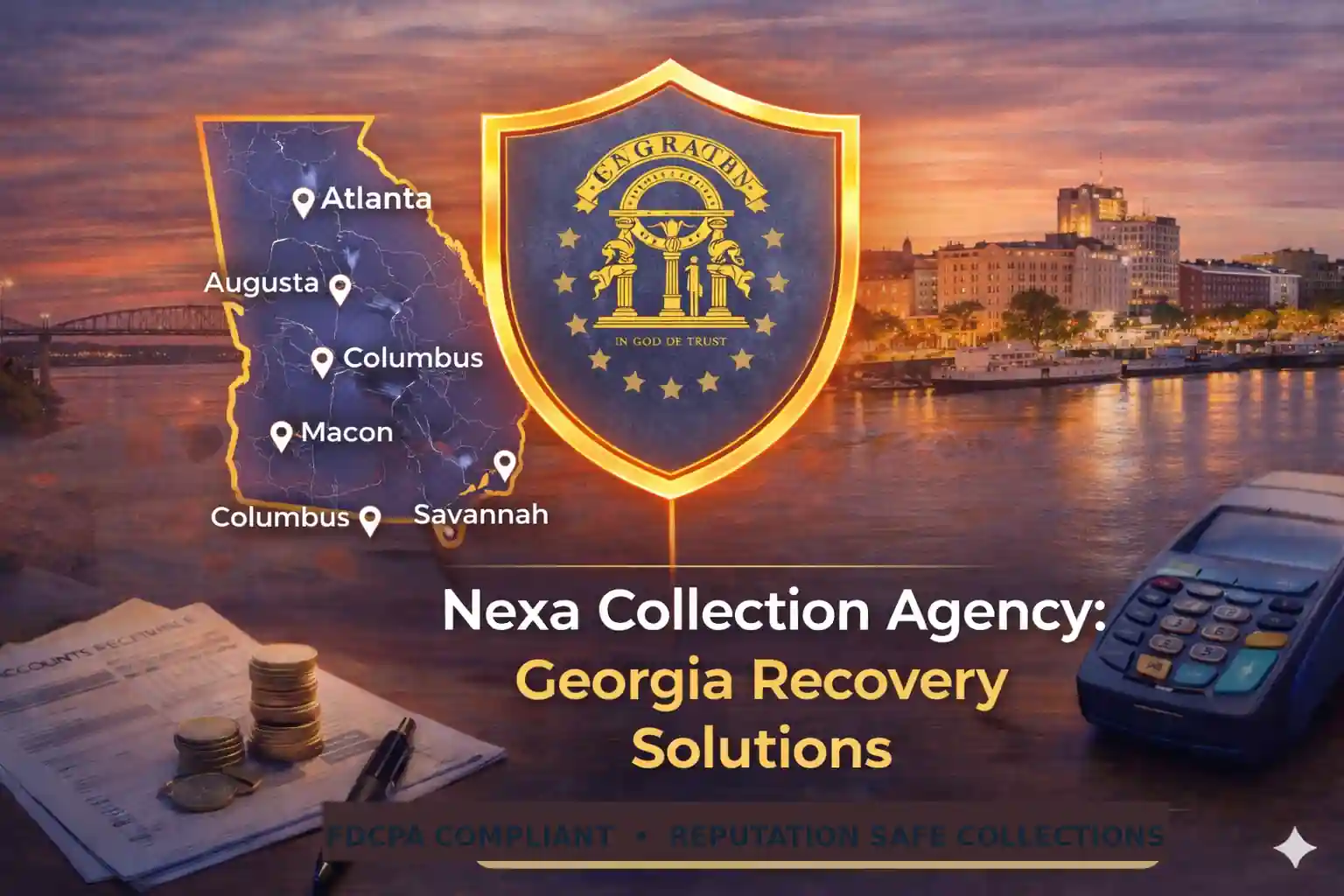
Georgia Medical Collections: The “75-Day” Trap Behind the Peach Curtain

Georgia is often seen as a “creditor-friendly” state thanks to its efficient Magistrate Court system and strong garnishment laws. But for medical providers, this reputation is dangerous.

If your agency treats Georgia like “just another state,” they are likely missing the strict 75-day deadline to perfect a hospital lien. Once that window closes, your right to collect from a lucrative auto accident settlement is often gone forever.

Furthermore, the Surprise Billing Consumer Protection Act (HB 888) has criminalized standard balance-billing practices for out-of-network care. If your collectors don’t know the difference between a “qualified emergency service” and a standard bill, they are walking you into a regulatory nightmare.

We don’t just “dial for dollars.” We act as a revenue firewall, navigating the specific O.C.G.A. statutes to secure your payments before they legally expire.

Nexa provides 100% reputation-safe, equipped with all 50-state collections license, offering free credit reporting, free litigation, free bankruptcy scrubs, and zero onboarding fees. Secure – SOC 2 Type II & HIPAA compliant. Over 2,000 online reviews rate us 4.85 out of 5. 

Need a Medical Collection in Georgia? Contact Us


Deep Analysis: The 3 Revenue Leaks in Georgia

Collecting in the Peach State requires a strategy that accounts for specific legislative pitfalls. Here is why national agencies often fail here:

1. The “75-Day” Lien Deadline

  • The Law: Under O.C.G.A. § 44-14-471, hospitals must file a verified statement of lien within 75 days of the patient’s discharge to secure rights to a personal injury settlement. (Physician practices have 90 days).

  • The Risk: Most agencies wait 90-120 days before even looking at an account. By the time they receive the file, the deadline to perfect the lien has already passed. You lose your priority claim on the insurance settlement.

  • Our Solution: We flag “accident code” accounts immediately upon intake. We file the preliminary lien notice within the 75-day window, ensuring you get paid before the patient spends their settlement check.

2. The HB 888 “Balance Billing” Trap

  • The Law: The Surprise Billing Consumer Protection Act (HB 888) prohibits billing patients for more than their in-network cost-sharing amount for emergency services, even if you are out-of-network.

  • The Risk: If your agency aggressively pursues a patient for a “balance bill” that is now illegal under state law, you face penalties and the debt is uncollectible.

  • Our Solution: We scrub accounts against the “Emergency/Non-Emergency” status and insurance network data. We ensure we are only pursuing the legal patient responsibility (deductibles/copays), protecting your reputation.

3. The “Intake Form” Statute Gap (4 vs. 6 Years)

  • The Law: Georgia has two statutes of limitations: 6 years for simple written contracts, but only 4 years for “open accounts” (oral agreements).

  • The Risk: If your patient intake forms are vague or missing a signature, the court may classify the debt as an “open account,” slashing your legal collection window by two full years.

  • Our Solution: We audit your intake paperwork. If we see “weak” contracts, we prioritize those accounts for faster resolution before the 4-year “open account” clock runs out.


Our 4-Step “Peach State” Recovery System

We have calibrated our recovery model to leverage Georgia’s powerful Magistrate Courts while respecting HB 888.

Phase 1: The Trauma & Liability Scrub (Pre-Collection)

  • The Strategy: Is the debt is related to a motor vehicle accident (MVA). If yes, we immediately verify the 75-day lien window. Does the balance falls under HB 888 restrictions.

Phase 2: The “O.C.G.A.” Demand (Steps 1 & 2)

  • The Strategy: We send compliant demands that clearly state the debt validation details required by federal and state law. We focus on the 7% statutory interest (if applicable) to encourage early payment.

  • The Cost: A simple flat fee (approx. $15/account). You keep 100% of recoveries.

Phase 3: The Garnishment Lever (Step 3)

  • The Strategy: Georgia is one of the few states that allows Continuing Garnishment. This means one court order can capture wages week after week until the debt is paid (unlike “one-shot” states).

  • The Negotiation: We explain this reality to the debtor. “Mr. Smith, in Georgia, a garnishment doesn’t stop after one paycheck. It continues until the entire balance is paid. Let’s set up a voluntary plan to avoid that.”

  • The Cost: 40% contingency.

Phase 4: Magistrate Court Execution (Step 4)

  • The Strategy: For refusals, we utilize Georgia’s efficient Magistrate Courts (Small Claims). We pursue judgment and then execute a “fi. fa.” (writ of fieri facias) to levy bank accounts or wages.

  • The Cost: 50% contingency.


Regional Strategy: From Metro Atlanta to the Coast

Georgia is economically diverse. We adjust our tactics based on the patient’s location.

Region Economic Profile Collection Strategy
Metro Atlanta (Fulton/Gwinnett) High Traffic / Corporate Heavy focus on Lien Perfection due to high volume of auto accidents. We also navigate the complex hospital systems (Emory/Northside) billing disputes.
South Georgia (Valdosta/Albany) Agricultural / Rural Seasonal cash flow. We structure payment plans around harvest cycles for agricultural workers, improving consistency.
Coastal (Savannah/Brunswick) Port / Logistics Focus on garnishment effectiveness, as many residents work for large, stable logistics companies where wage attachment is straightforward.

FAQ: The Executive Summary

Q: Can you garnish wages in Georgia?

A: Yes. Georgia is very creditor-friendly. We can garnish up to 25% of disposable earnings (or the amount exceeding 30x minimum wage). Even better, it is a “continuing” garnishment that stays in place for 179 days or until the debt is paid.

Q: What is the interest rate limit?

A: If your contract doesn’t specify a rate, the legal rate is 7% simple interest per year. If you have a written contract, you can agree to higher rates (within reason). Judgments accrue interest at Prime + 3%.

Q: Can you report “Surprise Bills” to credit bureaus?

A: No. Under HB 888, if the bill is a “surprise bill” (out-of-network emergency care, etc.), you generally cannot report the balance-billed amount to credit agencies. We ensure strict compliance here to avoid lawsuits.


Don’t let the 75-day deadline erase your accident revenue.

Being in the medical profession means that you are making people healthier, helping people deal with chronic problems, and saving lives. However, even though those things are huge for the betterment of the community, still medical professionals are also businessmen and must do everything to make their practice profitable.

Click here for a Free Audit of Your Georgia Claims

Filed Under: Debt Recovery

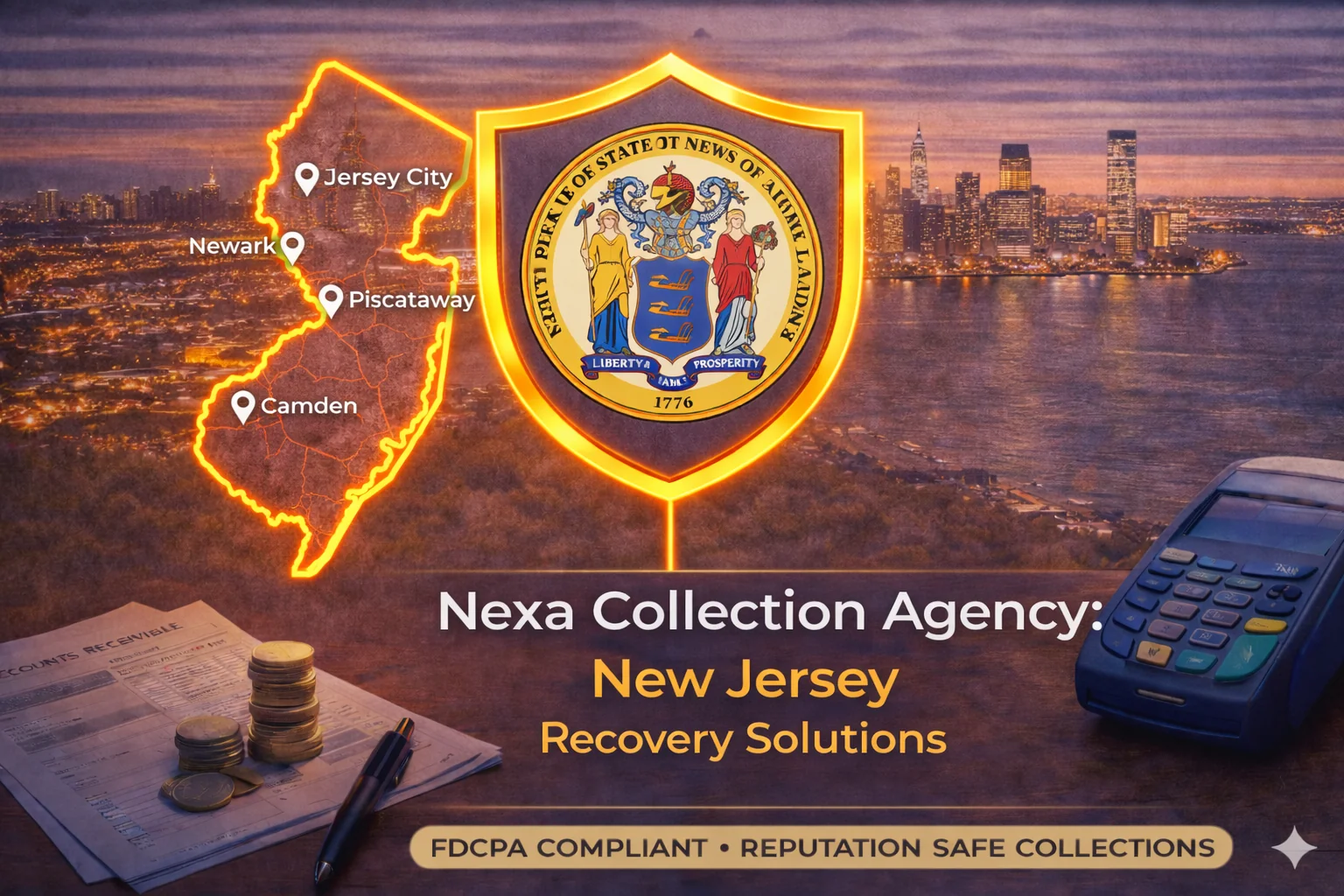
New Jersey Medical Collections: The “Louisa Carman” Act Has Rewritten the Rule

New Jersey is no longer a standard collection environment. With the enactment of the Louisa Carman Medical Debt Relief Act (July 2024), the state has implemented some of the strictest patient protections in the nation. If your current agency is still relying on credit reporting threats or aggressive wage garnishment, they are walking you into a compliance minefield.

For healthcare CFOs and Revenue Cycle Directors—from the large health systems in Hackensack to private practices in Cherry Hill—the “old way” of collecting is dead. You cannot simply demand payment; you must now navigate a complex flowchart of mandatory payment plans, income-based garnishment bans, and strict interest caps.

We don’t fight these new laws; we have re-engineered our recovery process to function within them, ensuring you get paid without triggering an Attorney General investigation.

Need a Medical Collection Agency in New Jersey? Contact us


Deep Analysis: The 3 New Barriers to Revenue in NJ

The Louisa Carman Act introduced three specific “revenue blockers” that most national agencies are not prepared for.

1. The “600% FPL” Garnishment Ban

  • The Law: Effective July 2025, New Jersey prohibits wage garnishment for medical debt if the patient’s income is below 600% of the Federal Poverty Level.

  • The Risk: This is not just for “low income” patients. For a family of four, 600% of the FPL is nearly $187,000. This effectively removes the threat of garnishment for the vast majority of your middle-class patients.

  • Our Solution: We shift focus away from wage garnishment (which is now often impossible) and towards asset execution (bank levies) and voluntary settlement negotiation based on psychological urgency rather than legal threats.

2. The “Credit Reporting” Blackout

  • The Law: Medical debt can no longer be reported to credit bureaus if it is under $500 (regardless of date) or for any services provided after July 22, 2024. Any reported debt that violates this becomes legally void.

  • The Risk: The traditional agency tactic of “wrecking their credit score” to force payment is now illegal in New Jersey.

  • Our Solution: We rely on direct contact frequencies and attorney-backed demand letters. Since we can’t hurt their credit score, we use the “nuisance factor” of consistent, compliant professional follow-up to drive payment.

3. The Mandatory 120-Day “Freeze”

  • The Law: You cannot engage in any collection actions until 120 days after the first bill is sent. During this time, you must offer a reasonable payment plan (max 3% interest).

  • The Risk: Sending an account to collections at “Day 90” (the industry standard) is now a violation of state law.

  • Our Solution: We have adjusted our intake API to automatically reject NJ files younger than 120 days, protecting you from accidental “early placement” liability.


Our 4-Step “Garden State” Recovery System

We have calibrated our model to clear the hurdles of N.J.S.A. 2A:44 (Liens) and the new Medical Debt Relief Act.

Phase 1: The “Charity Care” Scrub (Pre-Collection)

  • The Strategy: New Jersey regulations (N.J.A.C. 10:52-11.5) strictly mandate that hospitals screen patients for the Charity Care Program before billing.

  • The Action: We audit your files to ensure this screening is documented. If a patient claims hardship, we pause collection and help facilitate the Charity Care application. This often results in you getting paid by the State rather than chasing a broke patient.

  • Cost: Included in service.

Phase 2: The “Safe Harbor” Outreach (Steps 1 & 2)

  • The Strategy: Once the 120-day freeze lifts, we send the legally required “30-Day Pre-Collection Notice” which includes the mandatory statement that the debt will not be reported to credit bureaus.

  • The Psychology: We use this notice to offer a “Final Amnesty” payment plan that complies with the state’s new 3% interest cap.

  • The Cost: Flat fee (approx. $15/account). You keep 100% of recoveries.

Phase 3: The “Lien & Levy” Escalation (Step 3)

  • The Strategy: Since wage garnishment is restricted for many, we look for other liquidity.

  • For Accident Cases: We utilize N.J.S.A. 2A:44-41 to file hospital liens with the county clerk. These liens attach specifically to personal injury settlements, ensuring you get paid before the patient receives their check.

  • The Cost: 40% contingency.

Phase 4: Strategic Litigation (Step 4)

  • The Strategy: For high-income debtors (above the 600% threshold) or those with significant assets, we file suit in the Superior Court of New Jersey. We target bank accounts and property liens, which are often more effective than wage garnishment in NJ anyway.

  • The Cost: 50% contingency.

Nexa provides 100% reputation-safe, equipped with all 50-state collections license, offering free credit reporting, free litigation, free bankruptcy scrubs, and zero onboarding fees. Secure – SOC 2 Type II & HIPAA compliant. Over 2,000 online reviews rate us 4.85 out of 5. 

Need a Collection Agency? Contact us


Regional Strategy: One State, Two Markets

We adjust our approach based on the patient’s economic zone.

Region Economic Profile Collection Strategy
North Jersey (Bergen/Hudson) High Income / Commuter High usage of payment plans. We structure plans to fit the “3% interest” rule, making them attractive alternatives to ignoring the bill.
South Jersey (Camden/Gloucester) Philly Metro / Mixed Heavy focus on Insurance Cleanup. Many patients here cross state lines for care; we are experts at resolving “Out of Network” disputes with PA-based insurers (like Independence Blue Cross).
The Shore (Monmouth/Ocean) Seasonal / Retail We time our calls to align with seasonal cash flow for business owners and service workers.

FAQ: The Executive Summary

Q: Can we charge interest on medical debt in NJ?

A: Yes, but it is capped strictly at 3% per year under the Louisa Carman Act. Charging the old standard of 6-10% is now illegal. We automate this calculation to ensure you never commit usury.

Q: What is the Statute of Limitations?

A: You generally have 6 years to file a lawsuit for unpaid medical bills in New Jersey. However, because you must wait 120 days to start, your effective window is slightly shorter. Speed is critical once that window opens.

Q: How do we handle accident cases (MVA)?

A: New Jersey private hospitals must file a Notice of Lien with the county clerk to secure rights to a settlement. Unlike some states, this must be done meticulously to prevent the “release of claim” by the patient. We handle this filing for you.


Click here for a Free “Louisa Carman Act” Compliance Audit

Filed Under: Debt Recovery

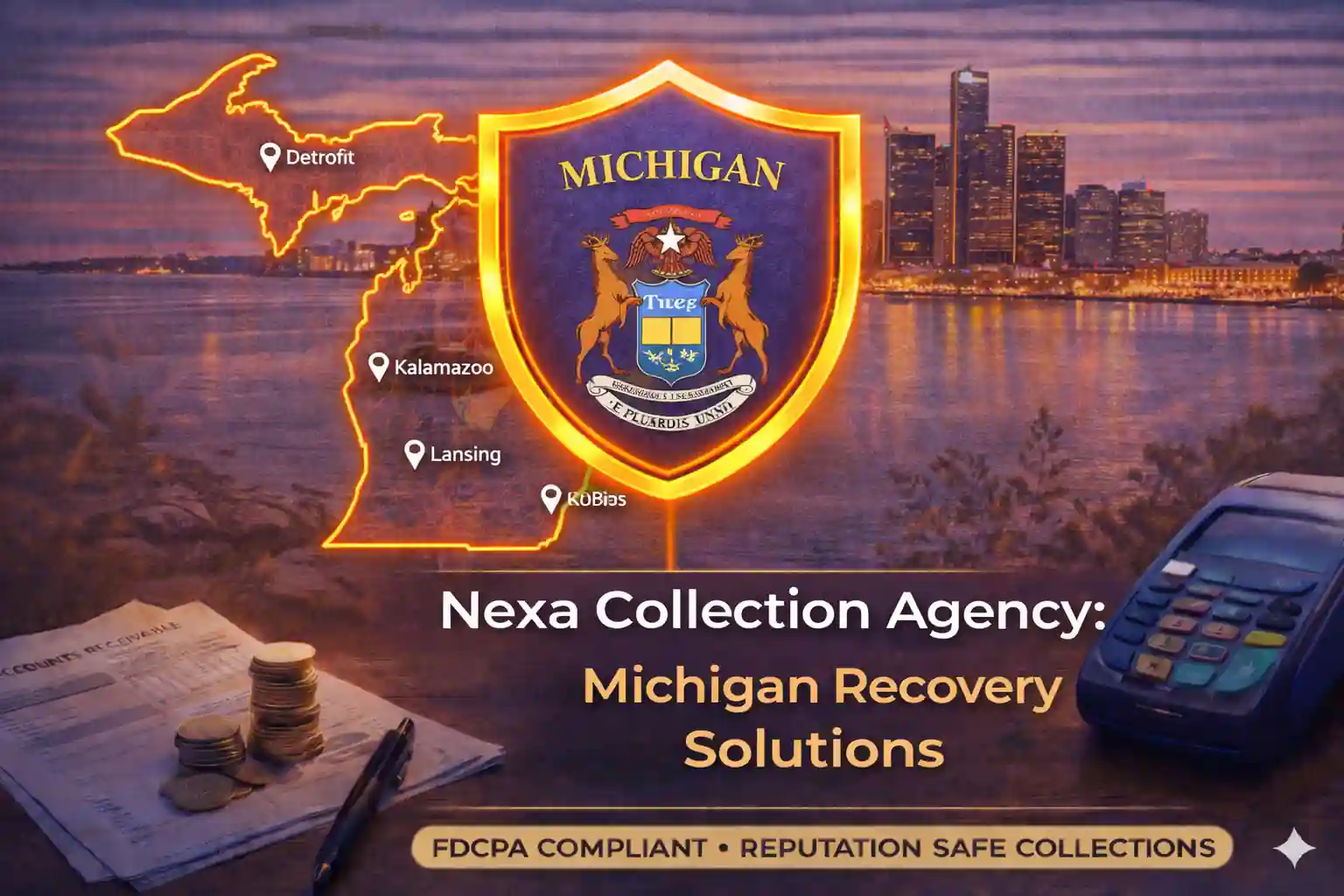
Michigan Medical Collections: The “One-Year Back” Rule & The No-Fault Trap


Given Michigan’s unique intersection of “No-Fault” auto insurance laws and rigid garnishment reporting rules, it is crucial to partner with a specialist who understands the local Public Health Code. Attempting do-it-yourself collection here doesn’t just risk lower recovery—it risks permanently extinguishing your right to payment under the strict “One-Year Back” rule.

For revenue cycle directors in Michigan—whether you are with a major system like Henry Ford Health or a private practice in Grand Rapids—collecting medical debt requires navigating one of the most complex insurance environments in the country.

If your agency treats a “PIP Claim” the same way they treat a standard “Health Insurance” balance, they aren’t just failing to collect—they are actively letting your legal claim expire. We act as a specialized revenue firewall, protecting you from the administrative traps hidden in Michigan’s statutes.

Need a Medical Collection Agency? Contact us


Deep Analysis: The Three “Revenue Leaks” in Michigan

Collecting in the Great Lakes State requires a strategy that accounts for specific legislative pitfalls. Here is why standard national agencies fail here:

1. The “One-Year Back” Rule (No-Fault Auto)

  • The Law: Under Michigan’s No-Fault Act (MCL 500.3145), you generally have only one year from the date of service to file a lawsuit against an auto insurer for unpaid medical bills.

  • The Risk: Many agencies treat auto-accident accounts like standard bad debt, letting them sit in a queue for months. If they wait 12 months and 1 day, your claim is extinguished forever. You cannot sue the insurer, and strict balance-billing rules often prevent you from billing the patient.

  • Our Solution: We flag all “MVA” (Motor Vehicle Accident) accounts upon intake. If the Date of Service is approaching the 10-month mark, we expedite the file to our legal team to preserve your rights before the statute expires.

2. The “6-Month Garnishment” Disclosure

  • The Law: Michigan allows wage garnishment until the debt is paid (unlike states where it expires quickly). However, there is a catch: The creditor must provide a statement of the remaining balance to the employer and defendant every 6 months.

  • The Risk: “Set it and forget it” agencies often fail to send these mandatory updates. This creates a valid defense for the debtor to have the garnishment dismissed and can even compel you to return collected funds.

  • Our Solution: Our system automatically generates and mails these 6-month statutory updates, ensuring your revenue stream doesn’t dry up due to a clerical error.

3. The Strict “100-Day” Lien Limit

  • The Law: Michigan’s Hospital Lien Act is much tighter than other states. You can only place a lien on a patient’s tort settlement for the first 100 days of treatment (following the accident).

  • The Risk: Filing a lien for treatment provided on “Day 101” is legally invalid and can expose your facility to “slander of title” counter-suits.

  • Our Solution: We audit your itemized bills before filing any liens. We separate “Lien-Eligible” charges from “Standard Collections” to ensure every legal filing is bulletproof.


Our 4-Step “Great Lakes” Recovery System

Nexa provides 100% reputation-safe, equipped with all 50-state collections license, offering free credit reporting, free litigation, free bankruptcy scrubs, and zero onboarding fees. Secure – SOC 2 Type II & HIPAA compliant. Over 2,000 online reviews rate us 4.85 out of 5. 

Need a Collection Agency? Contact us

We have calibrated our recovery model to fit Michigan’s 6-year statute of limitations for contracts and its specific consumer protections.

Phase 1: The No-Fault Triage (Pre-Collection)

Before we demand payment from a patient, we check the “Financial Class” of the debt.

  • Is this an Auto Accident? If yes, we verify if the “One-Year Back” clock is ticking. We don’t harass the patient for a bill that Allstate or State Farm should have paid.

  • Cost: Included in service.

Phase 2: The “Statutory Nudge” (Steps 1 & 2)

  • The Strategy: We send a series of firm, compliant demands. We reference Michigan’s 6-year Statute of Limitations, reminding debtors that this debt will not simply “go away” quickly (unlike in states with shorter windows like PA or DE).

  • The Cost: A simple flat fee (approx. $15/account).

  • The Benefit: You clear out the low-hanging fruit—patients who simply forgot to pay—without paying a commission. You keep 100% of these recoveries.

Phase 3: The Wage Lever (Step 3)

  • The Strategy: If the patient ignores us, we escalate. Michigan law allows garnishment of up to 25% of disposable earnings.

  • The Negotiation: We use this as leverage. “Mr. Jones, a court order could take 25% of your paycheck. Let’s set up a voluntary plan for 10% instead.” This logic works.

  • The Cost: 40% contingency.

Phase 4: Litigation & Maintenance (Step 4)

  • The Strategy: For high-balance accounts, we file suit in the local District Court. Once we get the judgment, we manage the periodic garnishment process, including the mandatory 6-month balance statements, so you don’t have to track them.

  • The Cost: 50% contingency.


Regional Strategy: From Detroit to the U.P.

Michigan is economically diverse. We adjust our tactics based on the patient’s location.

Region Economic Profile Collection Strategy
Southeast (Detroit/Wayne Co.) High Auto Insurance Volume Heavy focus on “No-Fault” coordination and PIP claim verification.
West MI (Grand Rapids) Medical Manufacturing/Service Focus on employer benefit verification; higher success with voluntary payment plans.
Northern MI / U.P. Rural/Tourism We utilize “seasonality” in our calls, knowing cash flow is tighter in winter months for tourism workers.

FAQ: The Executive Summary

Q: Can you collect on a debt that is 5 years old?

A: Yes. Michigan has a 6-year Statute of Limitations for contract disputes (which covers most medical debt). However, collecting on a 5-year-old debt is difficult. We recommend listing accounts at 90-120 days past due for maximum recovery.

Q: What if the patient claims they have “No-Fault” insurance?

A: We stop and verify immediately. If they were in an accident, their auto insurance is likely the primary payer. We request the claim number and adjuster info to file before the 1-year deadline hits.

Q: Do you report to credit bureaus?

A: We can, but with caution. With state-level discussions (Senate Bill 451) proposing to ban medical debt reporting in Michigan, we are shifting our focus to direct contact and legal recovery rather than relying on credit damage.


Click here for a Free Compliance Audit of Your Michigan Claims

Filed Under: Debt Recovery

  • « Go to Previous Page
  • Page 1
  • Interim pages omitted …
  • Page 10
  • Page 11
  • Page 12
  • Page 13
  • Page 14
  • Interim pages omitted …
  • Page 26
  • Go to Next Page »

Primary Sidebar


accounts receivable

Need a Collection Agency?
Kindly fill this form.
We’ll get in touch with you

    Please prove you are human by selecting the key.

    Recent Posts

    • Collection Agency in Cedar Rapids, IA | Compliant & Effective
    • Collection Agency in West Valley City | Compliant & Effective
    • Collection Agency in Stamford, CT | Compliant & Effective
    • Top Arizona Collection Agency for Patient Billing Solutions
    • Collection Agency in Fullerton, CA | Compliant & Effective
    • Collection Agency in Palm Bay, FL | Compliant & Effective
    • Texas Medical Debt Collection | HIPAA-Compliant Experts
    • Federal Government Shutdown: Impact on Collections

    Featured Posts

    • How to Shortlist Live-In Caregiver: Questions to Ask
    • eClinicalWorks & Medical Collections: Turning Your A/R Dashboard Into Real Cash
    • Easiest Way to Accept Payments Online for Small Business

    Copyright © 2026 NEXACOLLECT.COM | All information on this website is for general information only and is not an experts advice. We do not own any responsibility for correctness or authenticity of the information, or any loss or injury resulting from it.

    X
    Need a Collection Agency?
    Contact Us