Pest control is a $25B+ industry with thin margins and heavy AR. Learn why pest control invoices go past 60–90 days, what it costs your business, and how a pest-control–savvy collection agency can recover more while protecting your brand.
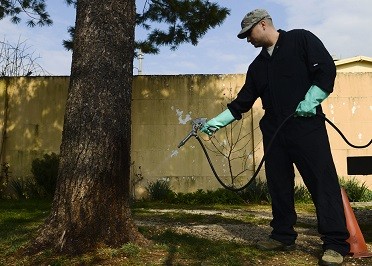
Pest control is a serious business: recurring service routes, emergency call-outs, seasonal spikes, and tight margins. On paper, revenue often looks great. In reality, too much of that money is stuck in Accounts Receivable.
If your aging report keeps growing, if “we’ll pay next month” has become a familiar phrase, and if staff dread payment calls, you’ve got a collections problem—not a service problem.
This page walks through real AR issues pest control companies face and how a focused collections strategy can turn old invoices into actual cash flow.
Contact us if you are looking for a collection agency with experience in your industry.
The AR headaches pest control owners know too well
Pest control receivables have their own personality. Common pain points:
-
Recurring plans with broken auto-pay
Clients sign up for monthly or quarterly plans on a card, then the card expires or is declined. Nobody notices for a few cycles, and by the time you catch it, the balance is big and awkward to chase. -
“Emergency” one-time jobs that never get paid
Wasp nests, rodents, bed bugs, termites… you rush out same day. The customer promises they’ll “sort the payment later.” Later never comes. -
Property managers and HOAs that pay on their own schedule
You service multiple units or common areas. The decision-maker isn’t on-site, and invoices sit in someone’s inbox for 60–90+ days. -
Seasonal overload
Spring and summer crush your team. Trucks are full, phones are ringing, and AR follow-up falls to the bottom of the to-do list. -
Callbacks and goodwill visits
Techs do extra work “to keep the customer happy,” but it’s not documented or billed clearly. When you try to collect, the customer claims they already paid enough. -
Chargebacks and “I didn’t approve that” complaints
Even when you charge up front, customers sometimes dispute the charge weeks later—especially if they forgot about a recurring plan.
Every one of these situations turns into slow pay, partial pay, or no pay at all unless you have a clear AR and collections process.
Why in-house collections usually stall
Your office staff are great at scheduling routes, calming upset customers, and supporting technicians. Expecting them to also act as trained collectors is asking too much.
Typical in-house roadblocks:
-
They feel uncomfortable being firm.
It’s hard to push for payment and then book the same person’s next service with a smile. -
They don’t have a structured follow-up ladder.
Calls and emails happen randomly: when someone remembers, not on a system. -
They get swamped in busy season.
When the phones are crazy, no one has time to sit quietly and work a 60–90 day aging list. -
They don’t know the legal limits.
Without proper training, staff may say the wrong thing on a call or send a letter that doesn’t meet state or federal requirements.
Result: accounts age, the “past due” column grows, and you quietly accept write-offs that shouldn’t have been lost.
Why pest control debt is actually recoverable (if you act early)
The good news: compared to many other industries, pest control debt is reasonably collectible when it’s handled correctly and early.
Reasons recovery can be strong:
-
Service is tied to health, comfort, and safety—people don’t want to lose it.
-
You often have signed agreements or at least clear work orders.
-
Balances are usually in a range where a payment plan is realistic, not impossible.
The catch: every month an invoice sits unpaid, the odds of recovery drop. By the time a bill is 6–12 months old, most owners quietly assume it’s gone.
That’s why many successful pest control companies move accounts to collections around 60–90 days past due, instead of waiting until everyone has forgotten what the job was.
How a pest-control–savvy collection agency approaches your accounts
A collection agency that understands pest control doesn’t treat you like a random utility bill. They know the stories and objections your customers will raise.
They typically:
-
Segment your accounts
-
Residential vs commercial vs property management
-
Recurring plan customers vs one-time jobs
-
High-risk patterns (serial late payers, chronic complainers)
-
-
Start with a diplomatic but firm tone
-
Reference the agreement, visits completed, and past communication
-
Explain what’s owed in simple terms
-
Offer realistic payment options when appropriate
-
-
Use professional tools and compliance know-how
-
Call strategies that respect call-time limits and disclosure rules
-
Proper letter language and timelines based on federal and state laws
-
Systematic tracking of contact attempts and responses
-
-
Escalate only when needed
-
Some accounts respond to a couple of well-crafted letters
-
Others require multiple contacts, possible payment plans, and—in rare cases—stronger measures such as negative credit reporting or legal escalation (based on your preferences and current regulations)
-
The goal is to recover money while protecting your brand in the neighborhoods you serve.
Simple placement rules that work well for pest control
You don’t need a complicated policy. The key is to stop deciding one account at a time and let clear rules guide what goes to collections.
Here’s a starter framework you can adapt:
1. Residential customers
-
Balance $150 or higher
-
No payment in 60–75 days
-
At least 2–3 reminders sent (statement, text, email or call)
→ Eligible to send to collections.
2. Commercial / property management
-
Balance $500 or higher
-
Invoice 60–90+ days past due
-
One broken promise or repeated “we’ll pay next month”
→ Management review, then placement with a collection agency if still unpaid.
3. Small, old balances
-
Balance $50–150
-
Age 120 days or more
→ Decide to batch them once or twice a year to collections or write them off and clean your books. Stop letting them clutter your aging report forever.
Write these rules down. Share them with your office manager and bookkeeper. Once everyone knows the rules, decisions stop being emotional and start being automatic.
Tips to tighten your AR before accounts ever reach collections
Collections should be the final step, not the only step. A few front-end tweaks can dramatically reduce how many accounts go bad:
-
Get something up front.
Ask for a card or partial payment before you roll a truck—especially for one-time emergency jobs. -
Put recurring terms in writing.
Spell out visit frequency, minimum term, and cancellation policy for maintenance plans. -
Use reminders before each visit.
Texts or emails reduce no-shows and keep your brand fresh in the customer’s mind when the bill arrives. -
Train techs to note exceptions.
If extra work was done, the customer was unhappy, or there was a special promise, make sure that lands in your job notes so AR and collections teams aren’t blindsided later.
The tighter your front end, the stronger your back-end collections will be.
How we help pest control companies get their money in the door
Our focus is simple: we help pest control companies turn old invoices into collected cash without wrecking relationships.
Typically, this looks like:
-
Reviewing your current aging report and AR process
-
Identifying where invoices are getting stuck (residential, commercial, HOAs, seasonal surges)
-
Helping you set clear placement rules (who gets sent, when, and at what balance)
-
Connecting you with experienced collection services that already know pest control accounts and how to handle them professionally
You keep doing what you do best—keeping homes and businesses pest-free.
With a better AR and collection strategy behind you, your cash flow can finally start reflecting all the work your technicians already did.
Image Source:
Senior Airman Austin Harvill -commons.wikimedia.org/wiki/File:
Pestering_pests,_Entomology_sprays_down_threats_150323-F-XD389-010.jpg